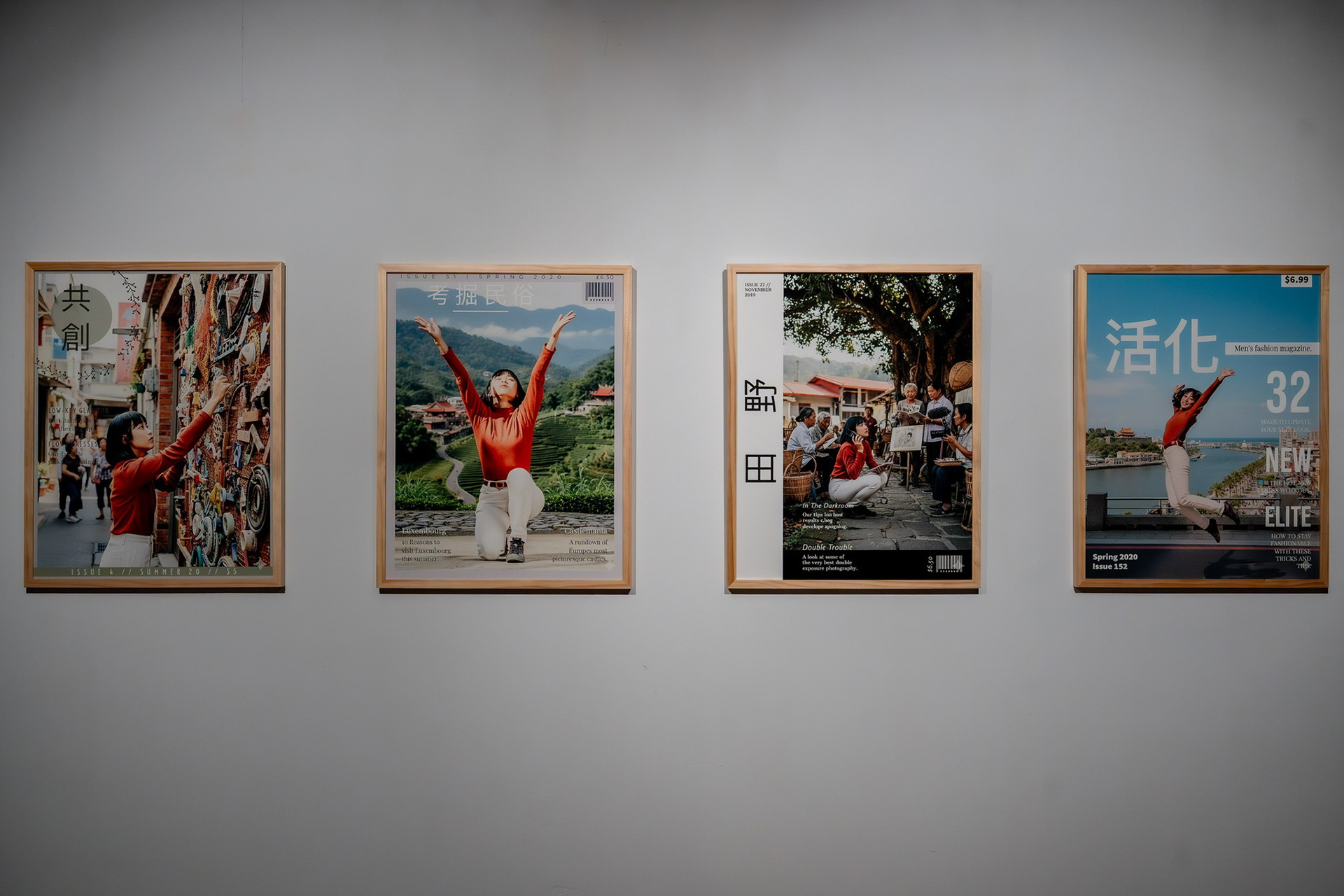
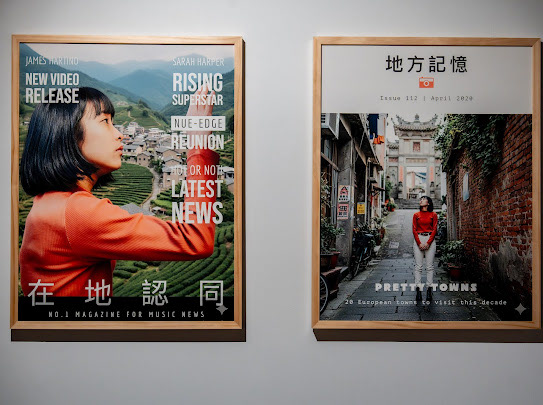
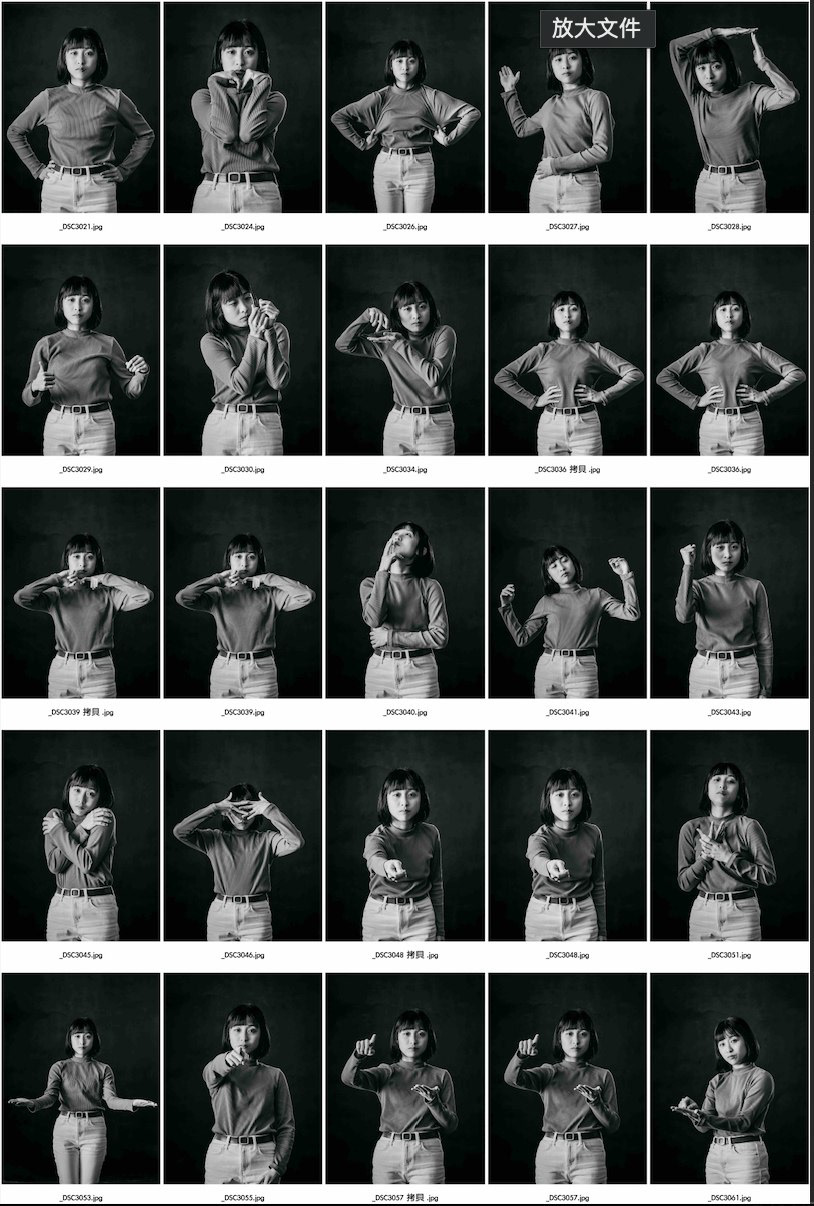
The reason I created this work is that, for me, using art to “revitalize” a place feels extremely difficult. I know almost nothing about the local context, and I don’t have the time to immerse myself in it over the long term. Even if I were to live here for several months, I’m not convinced that I could truly engage with or understand the place in any meaningful way. More importantly, I have always been deeply confused about what the relationship between art and local revitalization actually is. Because of these uncertainties, I began to wonder: why not systematically examine the various methods artists have used to revitalize places, and compile them into a kind of catalogue? In this way, when local residents encounter artists doing seemingly strange or unfamiliar things, they might at least have a framework for understanding them. However, during my research, I realized that no matter what form these strategies take—performance art, social engagement, participatory practices, branding interventions, and so on—their final destination is often the same: a photograph in the media, or an image included in a project report. In this sense, “revitalizing a place” ultimately becomes a certain kind of image. And this image, in turn, becomes the very source from which our imagination of revitalization is constructed. Based on this realization, I invited Yu-Fang Ko and Pei-Chun Lai to collaborate with me on producing a series of staged photographs that depict artists “revitalizing” a place. These images are presented using the layout of a commercial magazine, making it appear as if the place has genuinely been transformed through art.