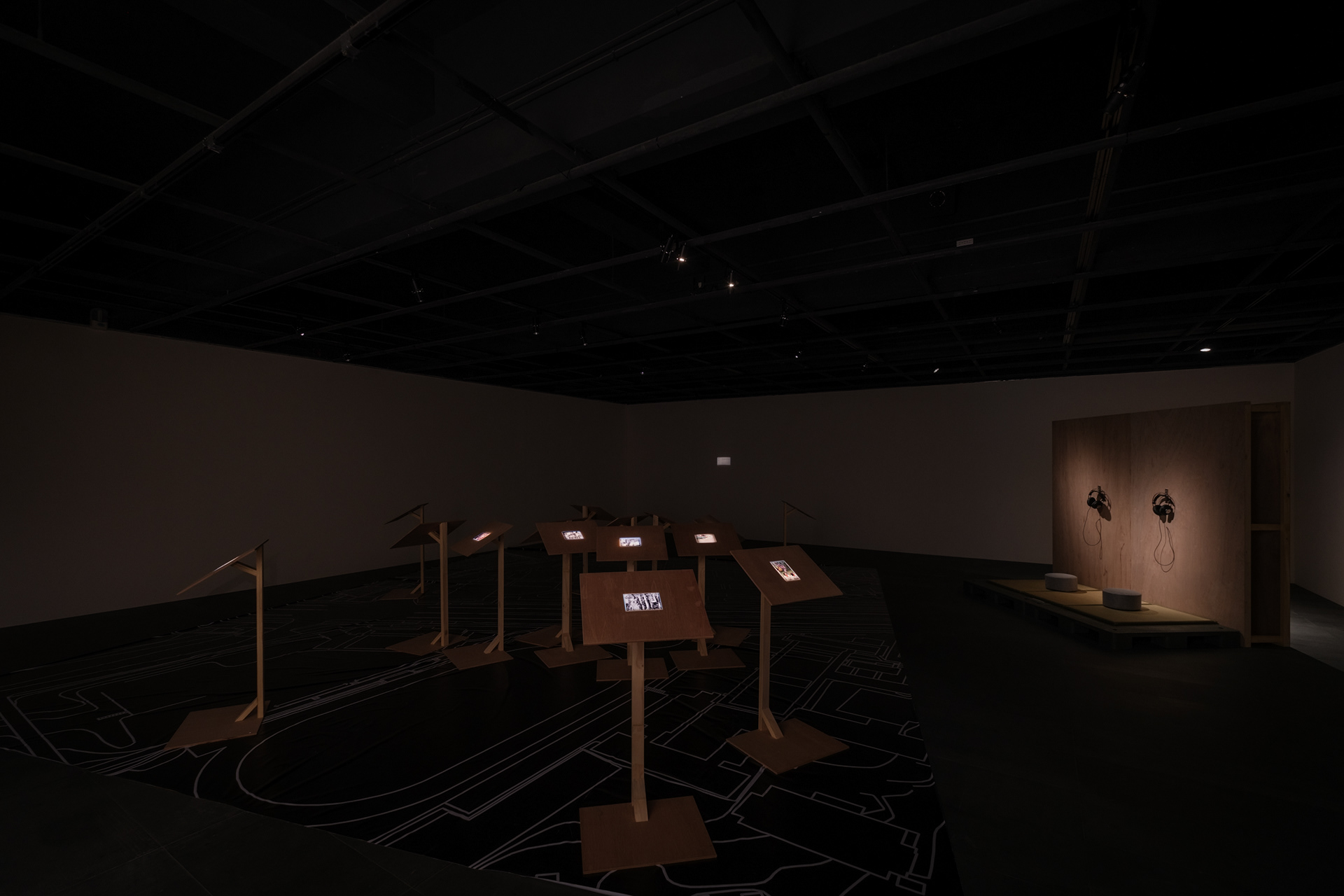
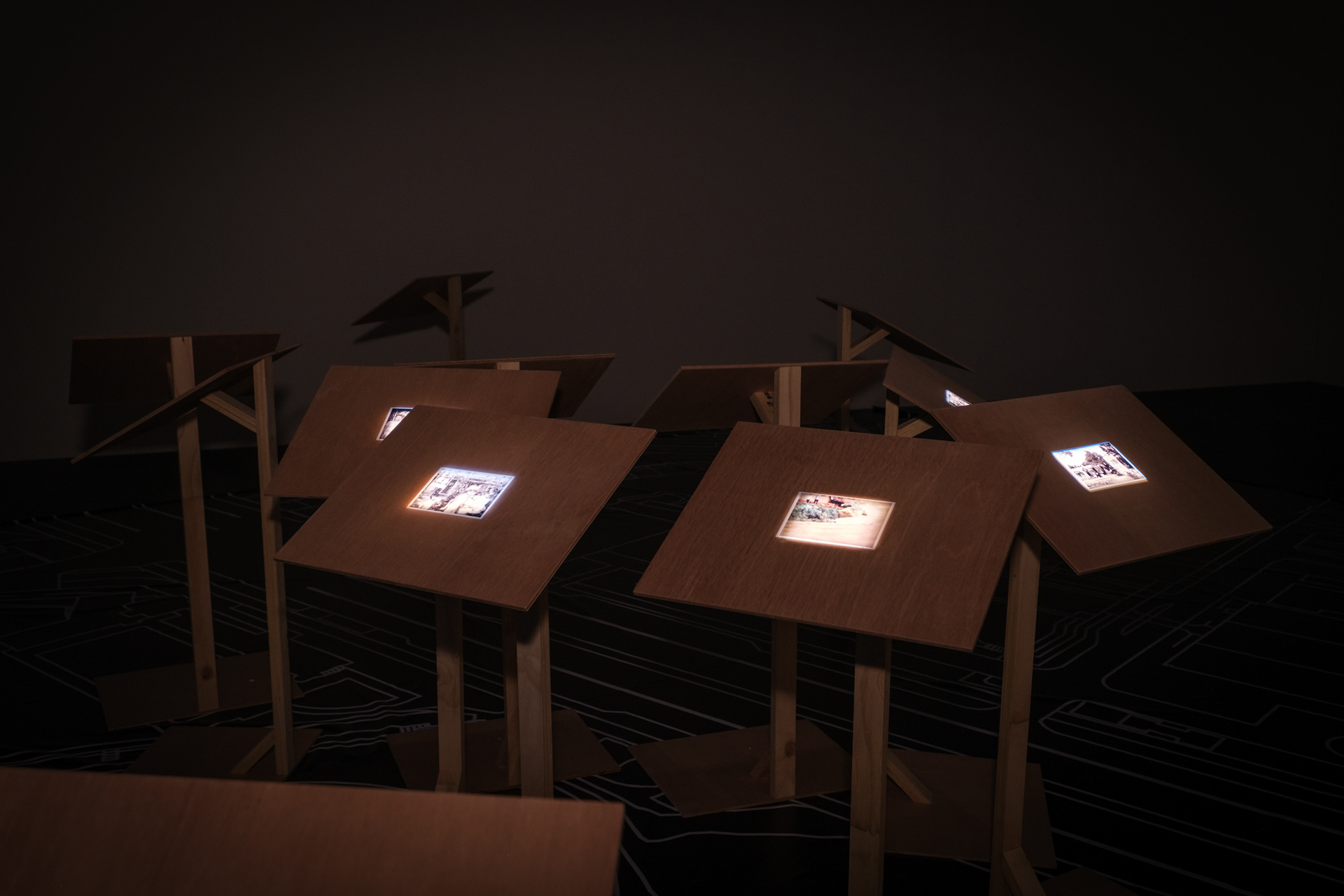
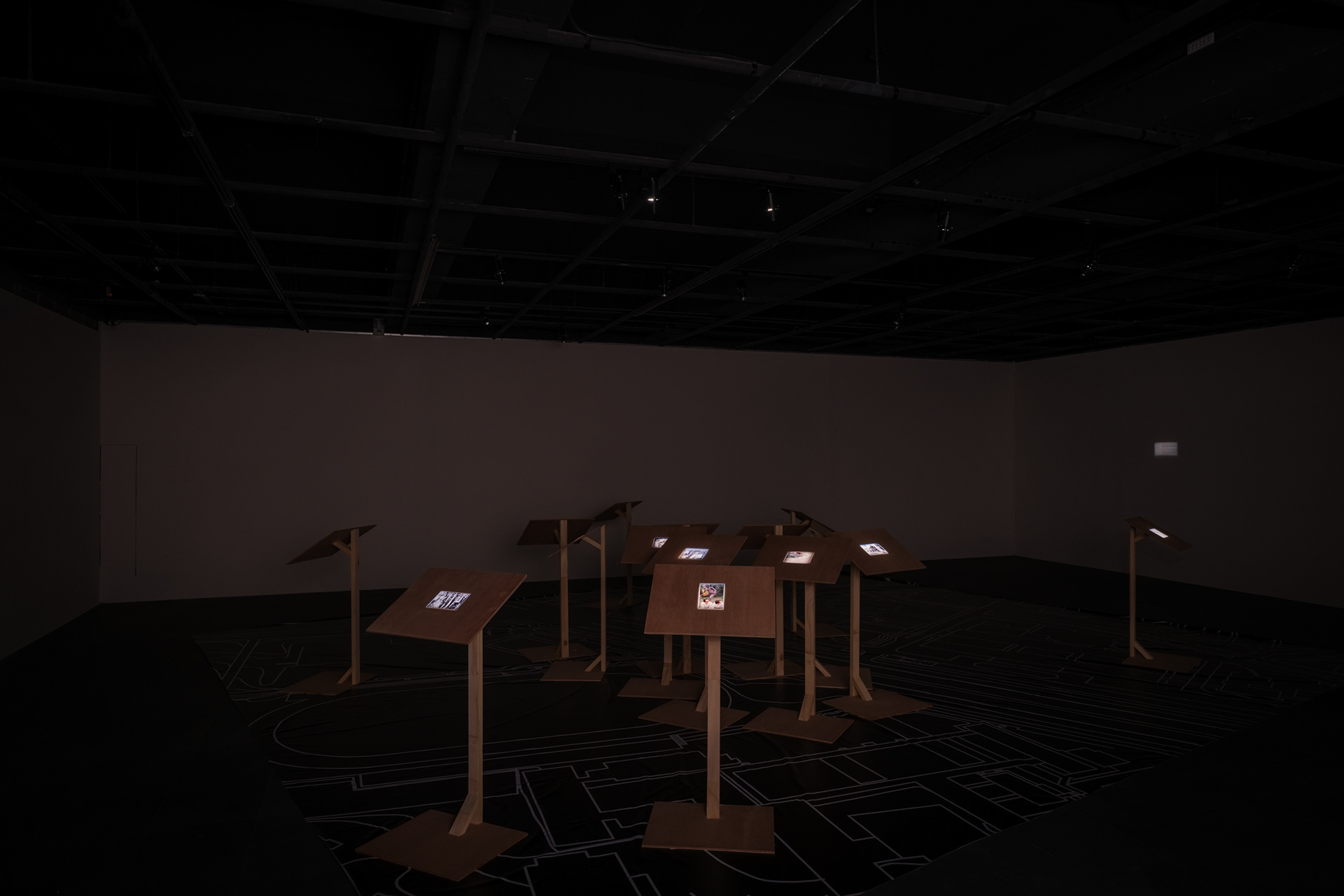
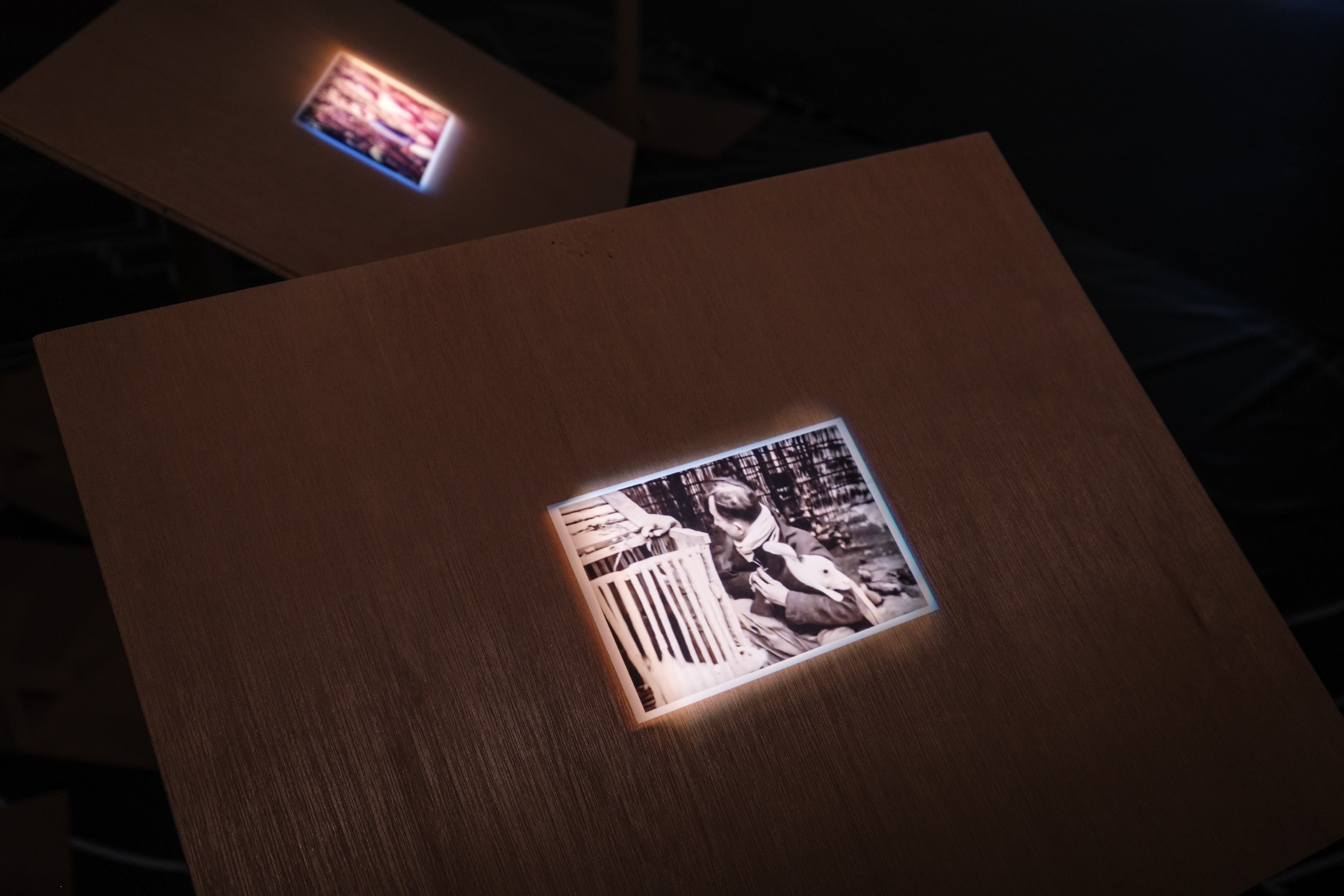
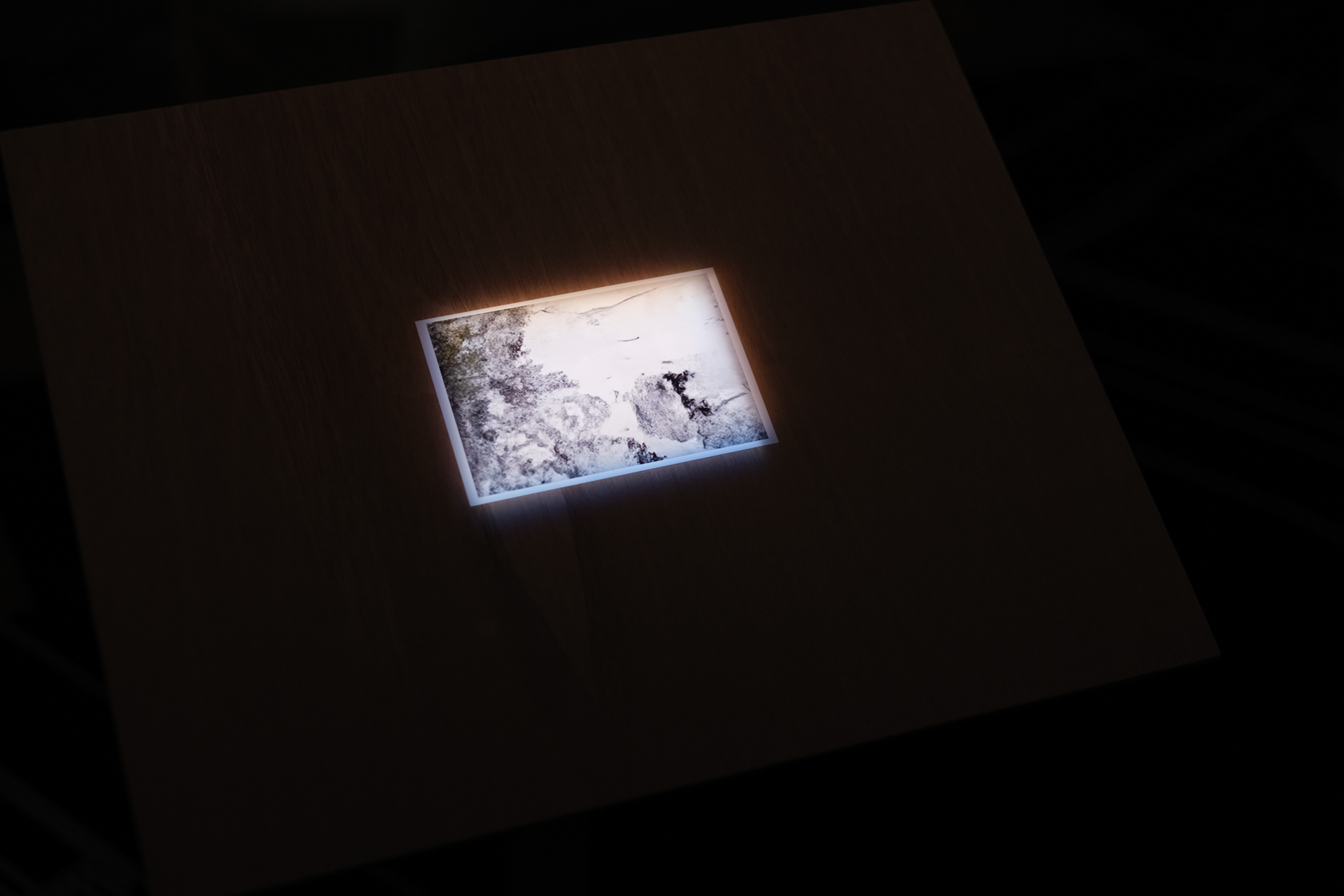
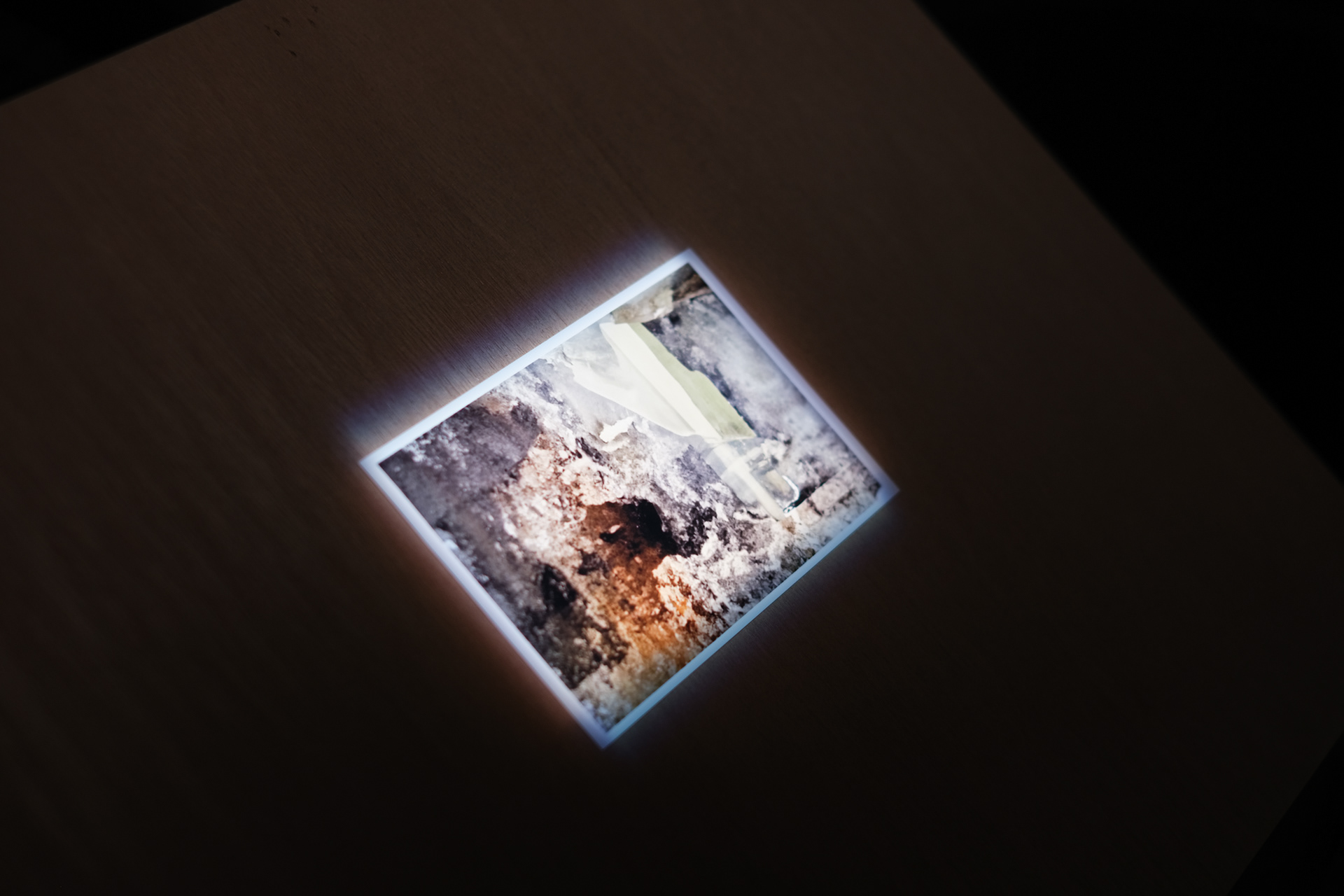
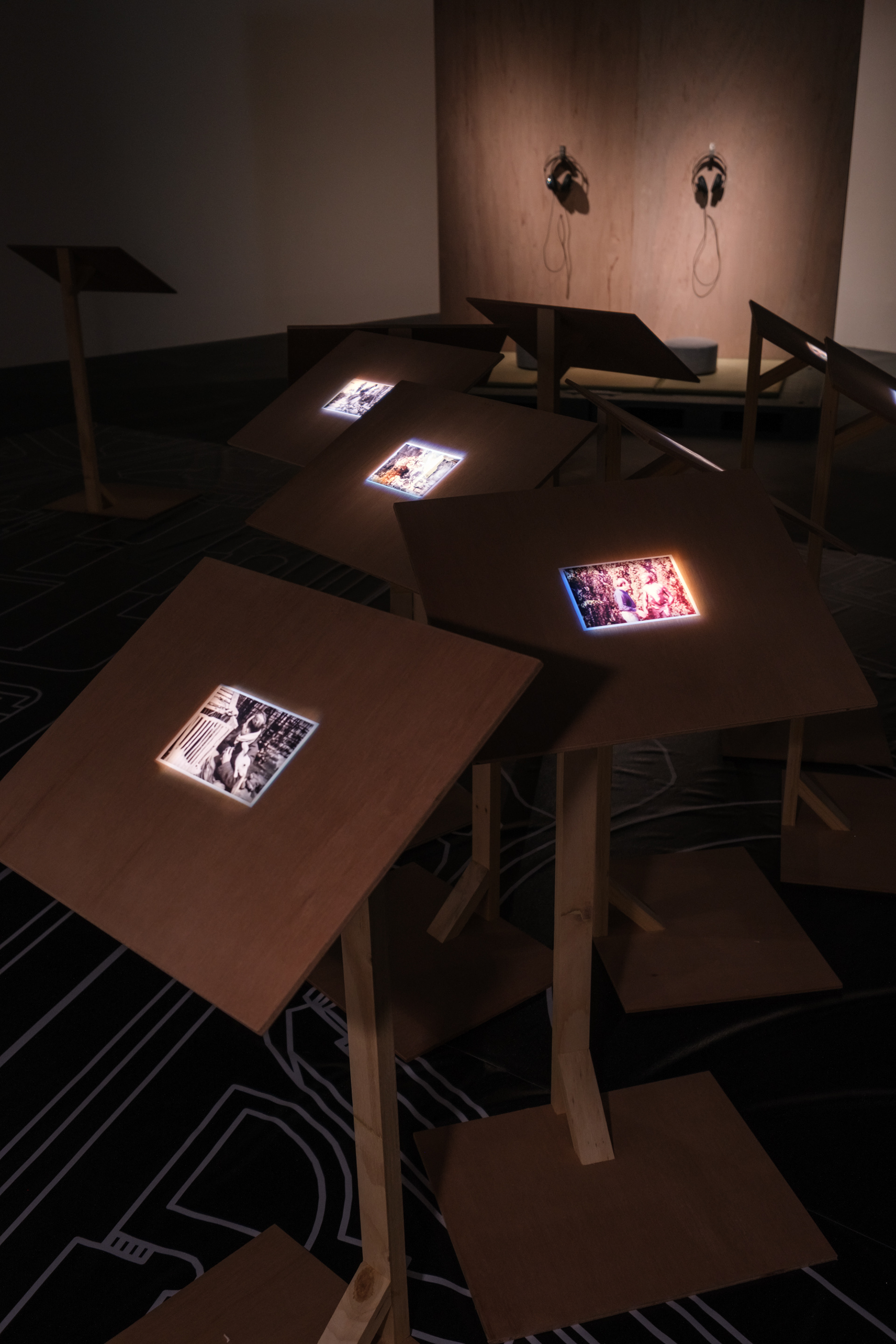
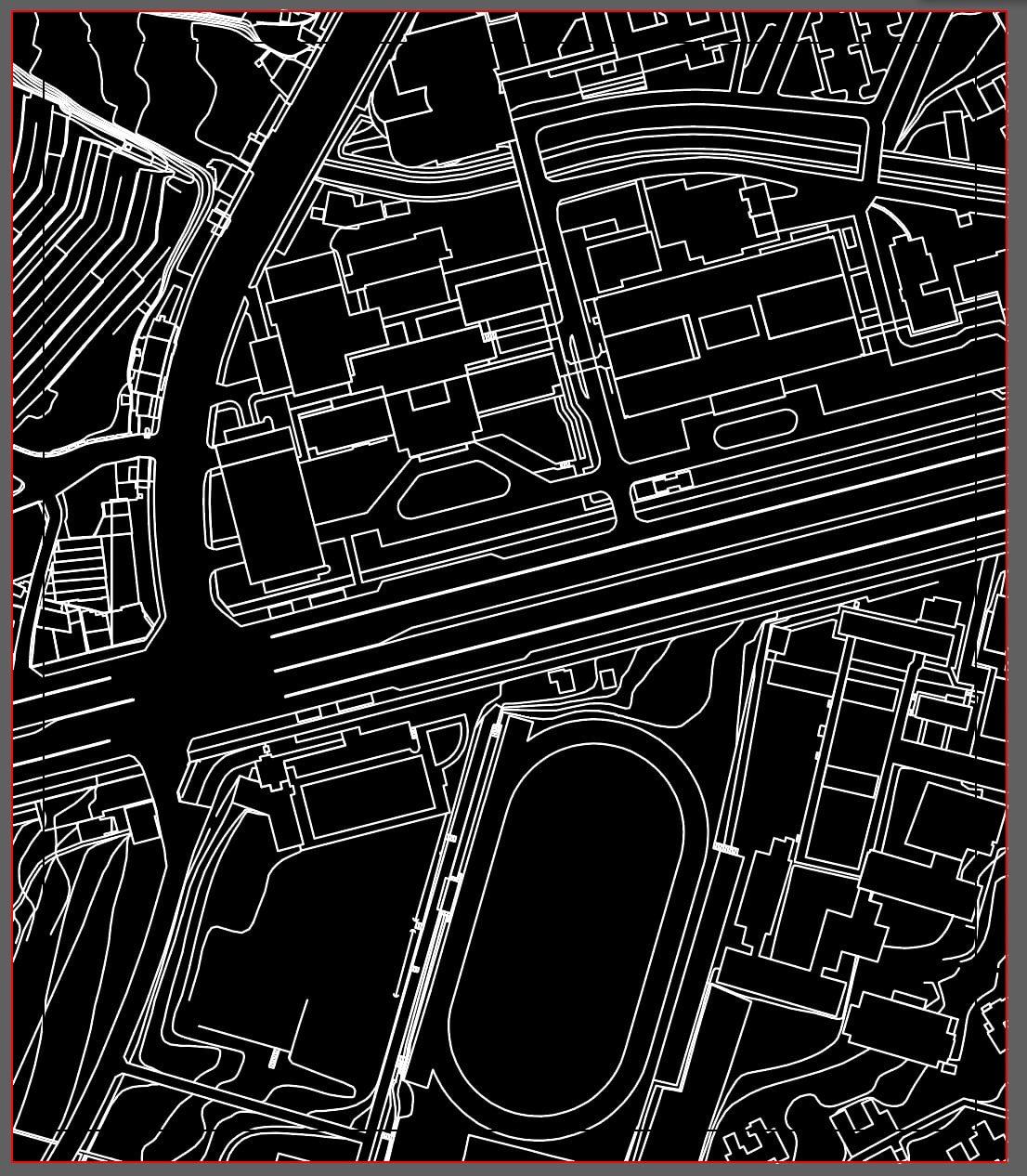
“Photographs may not only be ‘missing,’ but also ‘unmade,’ because images may have been taken yet never made accessible to the public or to researchers, or because, even when photographic equipment is present, no photograph is ultimately produced. In such cases, the ‘photographic event’ still takes place.” — Ariella Azoulay Yang Kui left behind numerous photographs taken in Donghai Garden. Most of them are casual snapshots of everyday life or group portraits with friends and family. They seem to bear little direct relation to the cultural significance attributed to Yang Kui, or to the political and social conditions of his time. In an attempt to assemble these images into a “complete” picture, I employ AI software to “fill in” the gaps between photographs—transforming still images into moving sequences and then extracting new frames from them, in order to generate additional photographic viewpoints. Through this process, I seek to reflect on our habitual way of understanding photographs. We tend to pursue what lies behind the image (the photographer) and what stands before it (the subject). Yet in the digital age, a photograph may no longer be primarily about what it represents; it may instead be about photographs themselves.